
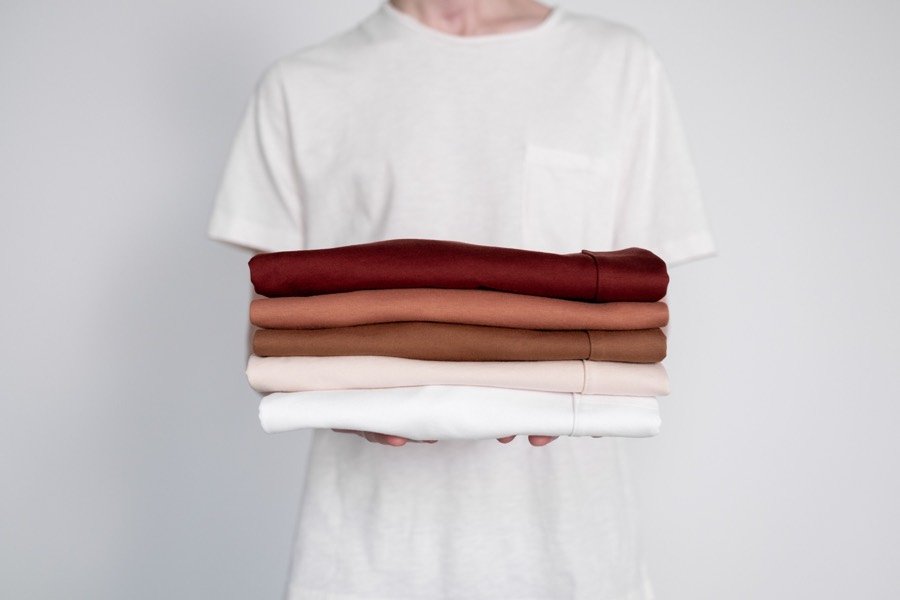
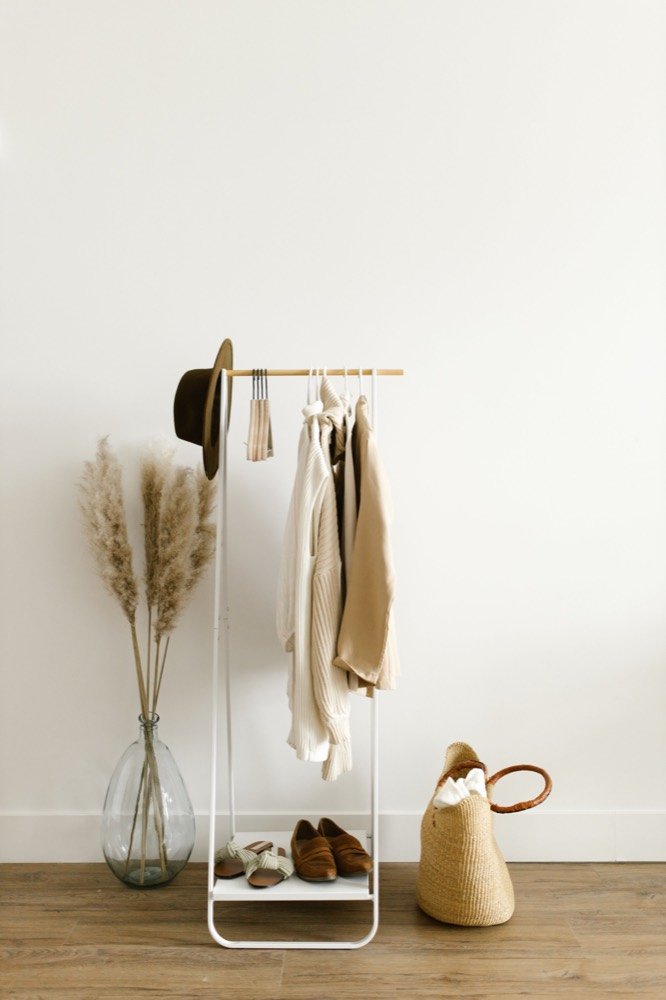
Capture one piece against a simple background.
Labs / StyleDrop
UpShft26 · Product Concept · AI Fashion
StyleDrop
What if getting dressed took ten seconds?
StyleDrop is a personal wardrobe and styling concept that explores how AI could turn the clothes you already own, your preferences, and the context of your day into three clear outfit recommendations, each with an explanation.
- Built around your real wardrobe
- Designed to reduce daily decision fatigue

The everyday problem
A full wardrobe. Still nothing to wear.
Most people own enough clothing but still lose time deciding what works for the weather, the occasion, and how they want to feel. Inspiration platforms show what other people wear. Shopping platforms encourage another purchase. Neither helps someone make better use of what is already in front of them.
Inspiration appsIdeas without your wardrobe
Weather appsConditions without an outfit
Shopping appsMore products, not better decisions
StyleDrop connects the wardrobe, the day, and the person.
Build the foundation
Your wardrobe becomes useful data.
Users create a private digital wardrobe once, making it easier to revisit individual pieces, saved looks, and useful combinations whenever they need them.

Add multiple pieces from one wardrobe photo.
Bring a recent item into the wardrobe.
Enter the details when a photo is not available.
Wardrobe data remains private to the user unless they explicitly choose to share a look.
01 · Understand the day
Set the context, not a search.
StyleDrop should feel like briefly telling a thoughtful friend what your day looks like. Instead of filters and keyword fields, the interface asks for three useful signals.


A day in context
One recommendation should solve the whole day.
It is 58°F with light rain expected after 4 PM. The user has a casual office day followed by dinner and wants to feel comfortable but polished.
 Black straight-leg trousers
Cream knit top
Charcoal overshirt
Water-resistant sneakers
Compact umbrella
Black straight-leg trousers
Cream knit top
Charcoal overshirt
Water-resistant sneakers
Compact umbrella
Light rain and walking.
Casual, mostly indoors.
Needs a sharper finish.
Layer stays useful.
02 · Generate useful options
Three directions, grounded in what you own.
StyleDrop does not search a retail catalog. It builds recommendations from the user’s wardrobe, current conditions, personal preferences, recent outfits, and pieces that have been overlooked.
One decision, three useful directions
Compare without starting over.
Casual, street, and clean directions make the choice manageable while keeping the experience focused on clothes the user already owns.
Each option stays distinct enough to be useful, with the day’s conditions and the desired feeling visible at a glance.
Open one recommendation
The whole look, down to each piece.
A recommendation becomes more useful when someone can see the complete outfit, understand its direction, and still adjust or save it without losing context.
03 · Make the reasoning visible
See why the look was chosen.

Clear, human-readable reasons make a recommendation easier to trust. StyleDrop connects the suggestion to the user’s preferences, the conditions outside, and styles they have already chosen to keep.
04 · Make it yours
Preview it. Adjust it. Save it.
The preview helps someone check the idea before they commit. Swaps stay grounded in the wardrobe, so the product remains useful even when the first suggestion is not perfect.
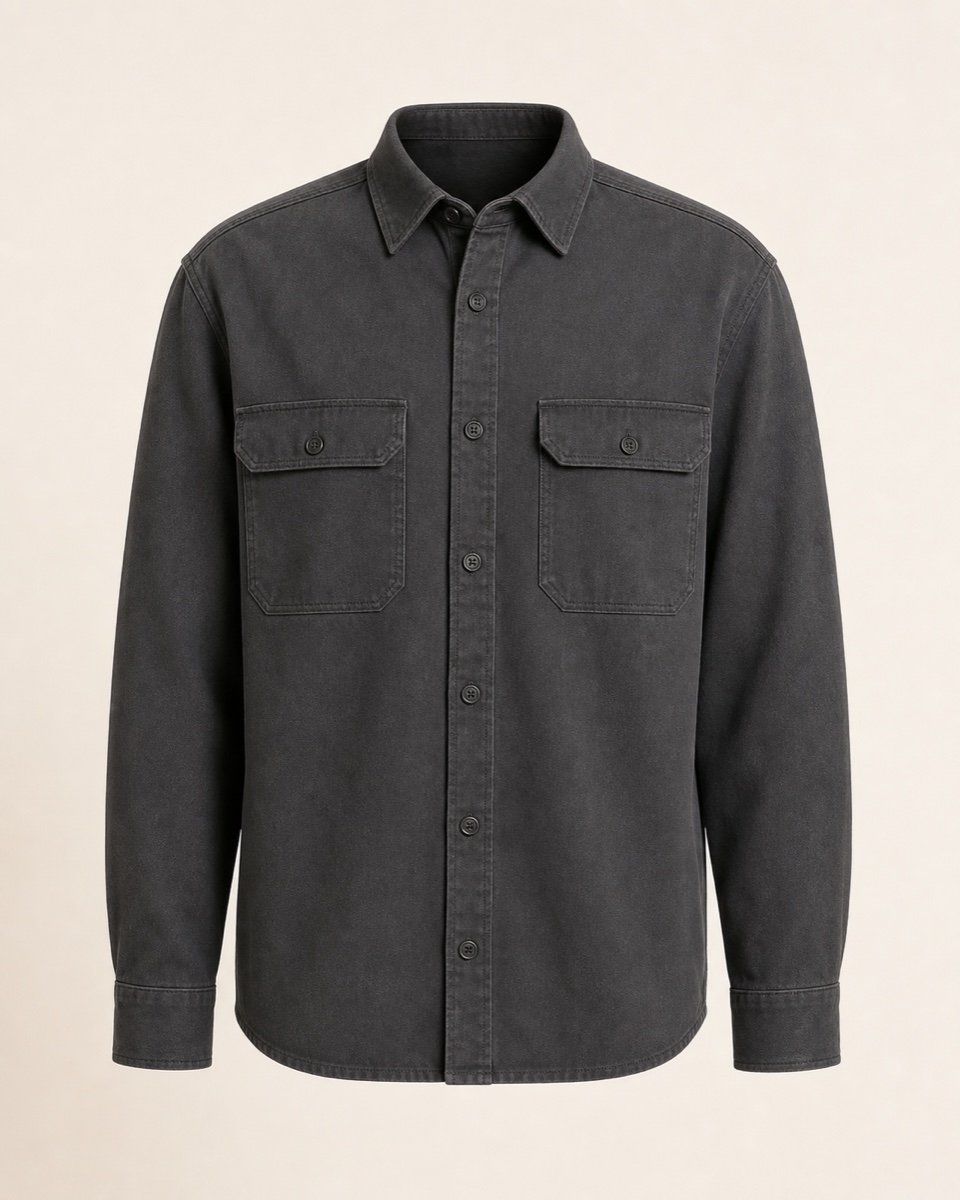 Charcoal overshirt
Try a different layer
A balanced layer for the office and cooler evening.
Designed around better use
Useful every morning. Smarter over time.
Less decision fatigue
Three clear options replace repeated searching, scrolling, and second-guessing.
Better wardrobe use
Forgotten pieces return to rotation when they fit the day.
More intentional shopping
StyleDrop identifies genuine wardrobe gaps instead of encouraging constant purchases.
Personal style learning
Explanations help users understand what works for them and why.
Secondary layer
Buy less randomly. Fill real gaps.
When repeated recommendations are limited by the same missing category, StyleDrop can identify a meaningful wardrobe gap. Shopping appears only when a new item would unlock several useful combinations.
Shopping suggestions are optional and should never interrupt the daily styling flow.
An opportunity in your wardrobe
One useful layer could unlock more of what you own.
StyleDrop notices when the same missing item repeatedly limits otherwise useful outfits. In this example, a lightweight waterproof layer would make several existing combinations more practical for changing weather.
A suggestion appears only when it solves a repeated wardrobe need.Product principles
Designed to stay useful.
Use what exists
Recommendations begin with the user’s current wardrobe.
Explain the choice
Every recommendation gives a useful reason.
Respect attention
The daily experience should take seconds, not create another feed.
Keep the user in control
Users can correct wardrobe data, adjust preferences, reject recommendations, and choose what to share.
A connected experience
From the day ahead to a look that feels right.

The larger idea
A wardrobe that understands the life around it.
StyleDrop imagines clothing decisions as a context problem rather than a shopping problem. The product succeeds when someone leaves home feeling prepared and confident using pieces they already owned.
Independent product concept by UpShft26. Visual interfaces and scenarios shown are concept mockups created for product exploration. Implementation details are intentionally omitted while the idea continues to evolve.